
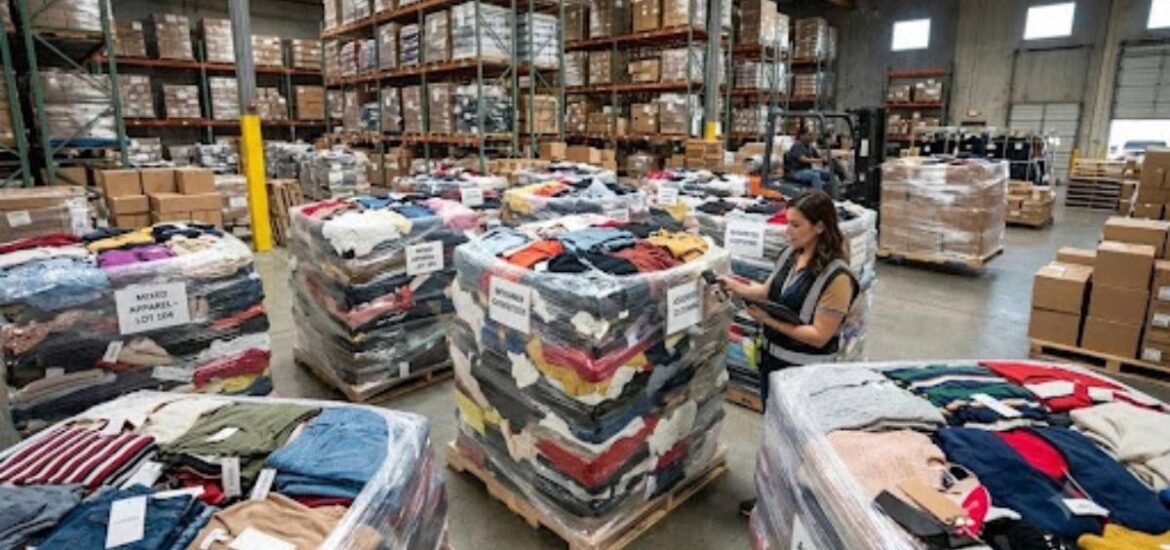
A winter jacket does not stop being wearable when a spring range arrives. That gap can interest resellers who know how to match garments with shoppers looking for fit, quality and sensible prices rather than the latest display.
Seasonal clearance creates varied stock in clothing pallets. A retailer may remove remaining sizes when it refreshes a collection, while a supplier may be left with pieces from a discontinued range. Some clothes are unused and labelled; others may be returns with signs of handling. The reason for clearance cannot establish the condition of every garment, so buyers need proper descriptions and checks.
Clothing pallets can offer quantity without a consistent size curve. A load might have many garments in less common sizes, several styles in the same colour or more duplicates than a small shop can display. Those details matter more than a broad claim about the number of pieces. A trader should think about customers and outlets before deciding that the unit price is low enough.
Size distribution deserves its own calculation. Imagine a reseller whose strongest demand is for everyday adult clothing, but whose proposed load is mainly specialist occasionwear. Even good-quality garments can remain unsold when they do not suit the audience. The seller could turn to online channels, yet listing measurements, taking photographs and managing returns all add work.
A simple inspection process starts with counting the garments and separating types. Check labels, fastenings, seams, stains and packaging. Identify anything requiring cleaning or repair, then decide whether the work is economical. Describing a visibly worn item as new is neither fair nor a durable way to build a business. Honest grading makes expectations clearer.
Photographs should show the actual garment where possible, including important details and known faults. Measurements can be more useful than the size on a label, particularly across different brands and cuts. Listings that explain fabric, fit and care requirements reduce avoidable questions. A seller must also respect applicable consumer rights when dealing with returns.
The economics of clothing pallets depend on more than total pieces. Sorting, steaming, hangers, storage, packaging and unsold stock can all affect the margin. A low-priced garment may cost disproportionately more to send than to acquire. Bundling similar items or offering local collection can sometimes help, but only if those methods suit the customer.
Timing is another consideration. Heavy knitwear purchased during warm weather might require months of storage. Meanwhile, fashionable colours and silhouettes can shift, changing demand before stock reaches the sales floor. Some classic garments are less sensitive to short trends, though that is not a guarantee of strong resale prices.
Different outlets create different possibilities. A market stall can let customers examine fabric and fit directly. An online specialist can reach people searching for particular sizes or labels. A local boutique may prefer a carefully edited collection rather than a large assortment. Each option carries its own staffing, rent or marketplace costs.
A responsible reseller should also consider what happens to pieces that cannot be sold. Repair or textile recovery routes may be appropriate, but not every garment can be reused. Including disposal in the initial budget avoids treating all inventory as future income. Records of sell-through by size and category can guide better buying decisions next time.
The strongest photographs help shoppers make a decision without touching the garment. Show the colour in consistent light, include a close-up of the label and photograph any wear rather than hiding it. Where measurements may vary, state how they were taken. These small steps can support fair expectations and reduce the disappointment that leads to avoidable returns.
Clothing pallets are therefore useful only when a trader can convert clothing pallets into garments people genuinely want to wear. A good purchase is not measured by the size of the stack delivered. It is measured by the quality of selection, the honesty of presentation and how much usable stock reaches the right customers.