
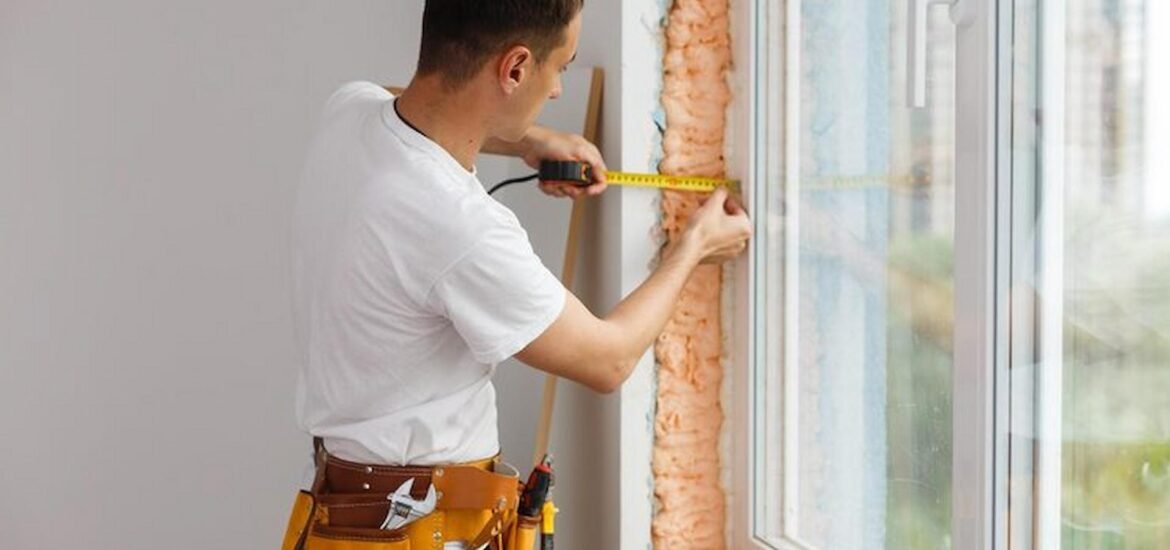
Windows play a vital role in your home’s comfort, energy efficiency, and overall appearance. Yet, many homeowners overlook early warning signs of damage until problems become costly. Knowing whether to repair or replace your windows can save time, money, and unnecessary stress.
In many cases, a professional assessment of window repair & replacement options can help you make an informed decision. Rather than assuming full replacement is always necessary, it’s important to understand the condition of your windows and how different solutions impact long-term performance.
Signs Your Windows May Only Need Repair
Not every issue calls for a full replacement. In fact, many common window problems can be resolved with targeted repairs that restore functionality without significant expense.
Minor Damage to Frames or Seals
Small cracks in wooden frames or worn seals are often repairable. If the structural integrity of the window remains intact, sealing gaps or replacing minor components can extend its lifespan considerably.
Draughts from Small Gaps
If you feel a slight draught near your windows, it may be due to worn weatherstripping or minor alignment issues. These are typically easy fixes that improve insulation without requiring a full overhaul.
Fogging Between Double Glazing
Condensation trapped between panes can indicate a failed seal. While this may seem serious, in some cases, replacing the glass unit alone is sufficient.
If you are evaluating window repair & replacement solutions, these smaller issues are usually a strong indication that repair is the more cost-effective option.
When Replacement Becomes the Better Choice
While repairs can address minor issues, there are situations where replacing your windows is the more practical and efficient decision.
Severe Frame Damage or Rot
Timber frames that have rotted extensively compromise the structural integrity of the window. Repairs may only provide temporary relief, making replacement the safer and more durable option.
Persistent Condensation and Moisture Issues
If condensation continues despite attempted fixes, it may signal deeper problems within the window unit. Chronic moisture can lead to mould growth and damage surrounding walls.
Difficulty Opening or Closing Windows
Windows that stick, jam, or refuse to close properly may indicate warped frames or mechanical failure. These issues can affect both security and usability.
Energy Efficiency: A Key Deciding Factor
One of the most important considerations is how well your windows contribute to your home’s energy efficiency.
Older windows often lack modern insulation standards, leading to heat loss during winter and excessive heat gain in summer. If your energy bills are steadily rising, upgrading to newer, energy-efficient models can offer long-term savings.
Modern glazing technologies, such as double or triple glazing, significantly reduce heat transfer. While repairs may improve performance slightly, they rarely match the efficiency of a full replacement.
Aesthetic and Property Value Considerations
Windows are a visible feature of your home, and their condition directly impacts kerb appeal.
Outdated Appearance
If your windows look dated or mismatched with your property’s style, replacement can enhance visual appeal and increase market value.
Visible Wear and Tear
Peeling paint, discolouration, and warped frames can make a property appear neglected. While cosmetic repairs help temporarily, replacement offers a more lasting improvement.
Cost Comparison: Repair vs Replacement
Understanding the financial aspect is crucial when deciding between repair and replacement.
Repair Costs
Repairs are generally more affordable upfront. They are ideal for isolated issues and can extend the lifespan of your windows without a large investment.
Replacement Costs
Replacement involves a higher initial cost but delivers long-term benefits, including improved energy efficiency, reduced maintenance, and enhanced durability.
Over time, the savings on energy bills and reduced repair frequency often offset the upfront expense of replacement.
Quick Checklist: Repair or Replace?
Use this simple checklist to guide your decision:
- Minor cracks or seal issues → Repair
- Slight draughts or alignment problems → Repair
- Fogging limited to one pane → Repair or partial replacement
- Extensive rot or structural damage → Replace
- Ongoing condensation problems → Replace
- High energy bills linked to poor insulation → Replace
This practical approach ensures you focus on the condition of your windows rather than making assumptions.
The Role of Professional Assessment
While it’s possible to identify obvious signs, a professional inspection provides clarity and confidence.
Experts can assess hidden damage, evaluate insulation performance, and recommend the most suitable solution based on your property’s needs. They also ensure that any work carried out meets current standards and regulations.
Seeking professional advice is particularly important if your windows are older or if multiple issues are present.
Long-Term Maintenance and Care
Regardless of whether you repair or replace your windows, proper maintenance is essential.
Regular cleaning, checking seals, and addressing minor issues early can prevent larger problems. Well-maintained windows not only last longer but also perform better in terms of insulation and security.
Investing in quality materials and workmanship during replacement also reduces the need for frequent repairs in the future.
Conclusion
Deciding whether to repair or replace your windows depends on several factors, including the extent of damage, energy efficiency, and long-term costs. Minor issues such as small cracks or draughts can often be repaired effectively, while more serious problems like structural damage or persistent condensation usually require replacement.
Taking the time to assess your windows properly ensures you make a cost-effective and practical choice. If you’re unsure, consulting a professional can provide the clarity needed to move forward with confidence. Ultimately, well-maintained or upgraded windows contribute to a more comfortable, efficient, and visually appealing home.